

Introduction
Hauling heavy equipment isn’t like moving boxes or furniture. It’s slow, deliberate work. Every strap, every chain, every turn on the highway matters. One loose anchor, and you’re not just risking cargo, you’re risking safety. Folks who’ve done this job long enough know that good prep saves time, money, and a lot of worry. If you’re new to it or just want your heavy equipment shipping to run smoother, here’s what years on the road have taught people in the hauling trade.
Best practices for securing heavy equipment loads
1. Learn the Machine Before You Move It
Every piece of equipment carries its weight differently. A backhoe sits heavy in the rear, while a dozer may lean forward. Take time to study the specs and find its balance point. Look for factory tie-downs or lift points; they exist for a reason. Detach buckets, arms, or extra parts that can swing loose. Spend more time studying, and you’ll spend less time fixing problems later.
2. Picking the Right Trailer for the Job
Not every trailer fits every job. Flatbeds are great for most, but oversized gear or delicate loads might call for extra protection. Some shippers choose covered car transport methods when moving valuable machinery or vehicles that can’t sit through bad weather. The trick is matching the trailer to both the load and the route – too small, and you’re gambling with balance; too big, and you’re wasting space and money.
3. Preparing Equipment the Right Way
Before anything touches the trailer, give the machine a once-over. Check tires, latches, pins, and all moving parts. Close hoods, lock panels, and tape or pad edges that could rub during travel. Drain excess fuel or fluids that might leak on the road. Snapping a few photos before loading helps too; it’s proof of condition when the job’s done. These steps don’t take long, but they save arguments and downtime later.
4. Centering and Balancing the Load
Loading is where skill meets patience. Keep the heaviest part centered between axles. Too far forward, and you’ll feel it drag the truck; too far back, and steering gets sketchy. Use spotters if you can. Ramps and wheel chocks are your best friends here. When it sits right, the trailer will ride level. That’s your green light to start securing.
5. Tying Down for the Long Haul
Chains, binders, ratchet straps – pick the good ones, not whatever’s lying around. They need to be rated for the job. Anchor them to solid frame points, never to handrails or thin panels. Cross them like an X when possible; it keeps movement tight in both directions. After the first few miles, pull over and check the tension. Heat and vibration loosen gears faster than you’d think. A two-minute stop beats an accident any day.
6. Planning the Route Before You Roll
A big load changes how you drive and where you can go. Low bridges, steep grades, and narrow turns can turn into nightmares if you don’t plan. Mark your route, check state limits, and know where to stop if the weather turns rough. Smaller vehicles or bikes often move alongside larger shipments using motorcycle transport shipping, handled by carriers with lighter rigs. Timing matters too! Avoid rush hour, and give yourself more time than you think you’ll need.
7. When the Load Gets Bigger Than Expected
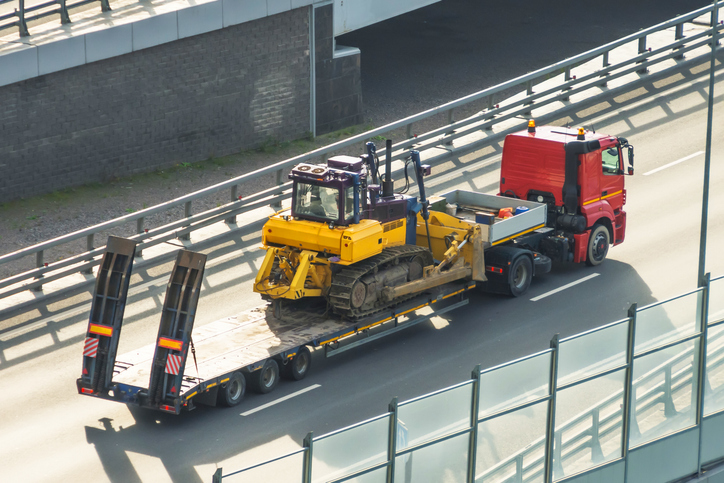
Some machines simply won’t fit normal limits. That’s when heavy haul equipment transport comes in. These specialized carriers bring reinforced trailers, pilot escorts, and permits to move huge loads safely. The drivers handling them know every inch of their route and work with state departments for clearance. For contractors or companies moving oversized machinery, hiring the right people means the difference between a legal haul and a roadside mess.
8. Open or Covered? Choosing the Right Setup
For rugged gear like graders, forklifts, or skid steers, open auto transport works just fine. They’re built to handle the weather. But sensitive or high-value equipment might need enclosed protection. The call depends on cost, distance, and risk. Open hauls are faster to load, enclosed ones are safer from dust and rain. It’s about what you’re hauling, not what looks good on paper.
Transporting heavy machinery comes down to respect for the load, the equipment, and the road. Rushing gets people hurt and costs more in the end. Each step, from inspection to strapping, deserves care. The best hauls look boring from the outside because nothing moves, nothing breaks, and everyone makes it home on time. That’s the quiet success every hauler aims for. So take your time, double-check your gear, and trust experience more than luck.
Conclusion
Reach out to our team at High End Transport at (305) 816-2255. The safe, experienced way to move heavy machinery across any road, any distance.
📍 Local service you can trust in Fort Lauderdale, FL