


Introduction
Transporting a car across state borders can be stressful. With varying costs, delivery times, and security issues, it is not difficult to feel confused about what is best.
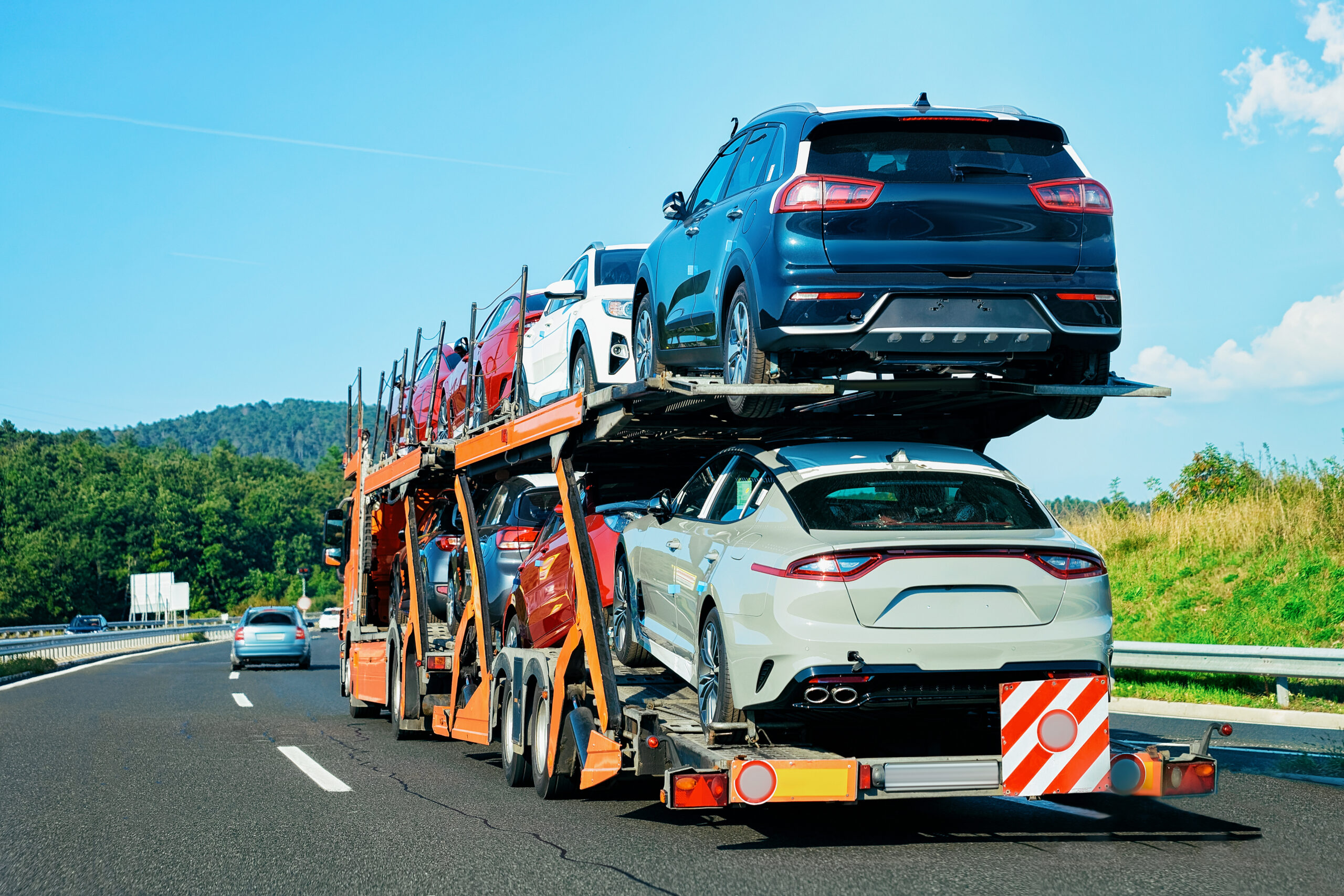
For most car owners, open car shipping is still the most common mode of transport. It’s the same type of carrier you see delivering new vehicles to dealerships across the country every day.
Understanding how it works and when you may need it helps you make a confident decision.
Open Car Shipping: Costs, Safety & Key Facts
1. How Open Transport Actually Works
Open carriers are multi-level trailers that transport several vehicles at once. Because space is shared, the cost per vehicle is significantly lower than enclosed options.
Vehicles are securely fastened using professional tie-down systems designed to prevent shifting during transit.
Though cars are subjected to weather and road conditions, this process has been done safely for decades. It is efficient, accessible, and available on most routes.
2. Why It’s the Most Affordable Option
One of the biggest reasons customers choose open transport is cost savings.
Since multiple vehicles share the same trailer, operating expenses are distributed across several shipments. That keeps rates competitive.
For standard sedans, SUVs, and daily drivers, the slight exposure risk is often outweighed by the financial advantage.
If your vehicle is low enough in value that it doesn’t need extra protection to keep its high value or fancy paint job intact, then this method is probably the cheapest way to go.
3. The Times You Might Actually Want to Pay For Extra Protection
Open transport is usually just fine for most vehicles, but sometimes it just makes sense to go with the covered option – especially if you’re worried about the weather or just general wear and tear.
Then again, if you’ve got a classic car, a fancy sports car, or a custom paint job, you might want to consider covered transport to keep that paint looking good.
The thing is, though, it’s all about what you’re willing to pay and how important it is to you to get your car from point A to point B – safely.
Being honest with yourself about the risks involved will help you avoid breaking the bank on unnecessary transport costs, or, on the other hand, not taking care of your car as it deserves.
4. What Really Affects How Much It Will Cost To Get Your Car There
The cost of shipping your car all comes down to a few pretty obvious things:
- How far are you trying to go
- How big and heavy your car is
- What time of year it is
- How much fuel costs were at the time
- Where do we need to pick you up and drop you off
And on top of that, the time it takes to get your car delivered is all about how good the route is and whether or not we hit any traffic headaches. Major interstate highways tend to move a lot faster than the back roads out in rural areas.
Booking ahead of time can make a big difference – not only does it give you more scheduling flexibility, but you’ll also get a better deal. Getting clear communication going with the carrier can help avoid a whole lot of confusion and delays.
5. Getting Your Vehicle Ready for Shipping
Prepping your vehicle is something that protects both you and the carrier from potential headaches.
Before they come to pick it up:
- Give it a good wash
- Take some clear photos of any existing dings or scratches
- Take out all your personal items
- Leave about a quarter of a tank of gas in it
- Make sure the alarm system is turned off
It’s a good idea to have a professional take a look at the vehicle both when they pick it up and when they drop it off. Taking some before and after pictures is a good way to keep yourself at ease and have some extra documentation just in case.
The better open car shipping providers are big on being upfront and taking good care of your vehicle from start to finish. For most standard cars and SUVs, open transport is a safe, affordable, and pretty efficient way to get them from point A to point B.
Understanding how the whole process works, what the costs are going to be, and what you need to do to get ready helps make the whole experience go a lot more smoothly. When you do your research and pick out a good carrier, open car shipping can be a dependable option without breaking the bank.
Conclusion
Ready to move your vehicle safely and affordably? Contact High End Transport at 305-816-2255 for dependable nationwide service you can trust.
FAQ
1. Is open car shipping safe for long-distance moves?
Yes. Open car shipping is the most commonly used method in the industry and is considered safe for standard vehicles. Cars are professionally secured to prevent movement during transit.
2. How much does open car shipping cost?
Pricing depends on distance, vehicle size, and seasonal demand. Because multiple vehicles share the trailer, it’s typically more affordable than enclosed options.
3. When should I choose covered car transport instead?
Covered car transport is recommended for high-value, classic, or exotic vehicles that require additional protection from weather and road debris.
4. How long does open car shipping take?
Transit times vary based on route and distance. Cross-country shipments generally take several days to over a week, depending on traffic and scheduling conditions.
Efficient Auto Transport Solutions.
- Scheduling Open Car Transport Service: Timely Delivery Strategies
- Safety First: How Heavy Machinery Transport Companies Minimize Risks
- Tips for Tracking Your Vehicle During Open Car Transport Service
📍 Your trusted local experts in Florida