


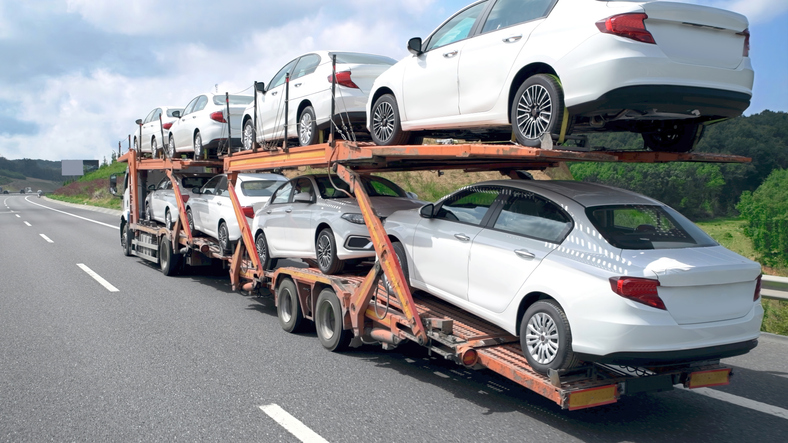
Long-distance car transportation may be intimidating, and when you factor in the added miles, unexpected damages, and unforeseen expenses, the experience becomes even more intimidating.
Car shipping provides an efficient and stress-free experience for car and bike owners who want to relocate without the hassles of driving and putting their vehicle through the strain of miles and miles of driving. When you know the ins and outs of the car transport process and what you need to ensure, you are ready for a seamless and mileage-free experience.
1. Why Mileage Stress Is a Real Concern for Vehicle Owners?
With every mile that is added to your car’s odometer reading, your car will be less desirable in terms of resale value and will require greater maintenance down the road. Long miles will also subject your car to road debris, environmental elements, and accidents that you cannot control.
Besides physical wear and tear, long drives also cause personal stress, fatigue, and scheduling inconveniences. In situations of moving or selling a car, mileage worries are more than emotional; they also have serious financial implications. A shipping solution does away with mileage worries in that your car remains in one place while experts handle the shipping process.
2. How Professional Transport Minimizes Wear and Tear
Vehicle transport experts concentrate on the transportation of cars and bicycles without any kind of mechanical load. Rather than starting the engines and driving the cars and trucks for hundreds or thousands of miles, the vehicles are loaded and transported on carriers.
In addition, professional carriers have effective loading procedures that minimize the impact of vibrations and movement. Proper tying down, wheel chocks, and protection of the suspension system all work together to ensure the vehicle stays in place during transport, helping to keep the vehicle in good condition from the time it is picked up until it is delivered.
3. Choosing the Right Carrier Type for Maximum Protection
Choosing the right carrier is very important to ensure your vehicle is protected. Open carriers are very economical, whereas enclosed carriers provide protection against weather conditions, dust, and debris. This is especially true if you own an automobile or bike that is of great worth.
The best option for you would depend on your car, your budget, and your level of risk acceptance. Knowing the different possibilities helps you to ensure that your car reaches the destination without being subjected to risks that are not necessary.
4. Preparing Your Car or Bike Before Shipping
Preparation is critical when it comes to avoiding damage as well as smooth logistics. You should start by cleaning your car thoroughly as this will help you document your car’s condition properly. You should also remove all your personal belongings, as well as accessories that might move around when the vehicle is being transported or violate carrier regulations.
It’s also important to check the levels of the fluids, tire pressure, and battery charge in the vehicle. In the case of bicycles, it’s important to tighten loose components and properly crate them when needed. This ensures the carrier carries the vehicle effectively and avoids any problems during transport.
5. Insurance Coverage and Documentation That Matter
Insurance coverage is part of reliable transportation, and it is essential to know the details. It is essential to review the insurance coverage offered by the carrier and determine the damage that is covered. It is also essential to ensure that the required documents, such as the bill of lading, record the condition of the carrier at the time of pickup and delivery.
This paperwork serves to protect the owner and the transporter. This is in case a dispute arises, and the paperwork will help solve the issue to be solved faster.
6. Scheduling & Route Planning for Long Distance Moves
Routing and timing play important parts in transport safety and efficiency. Skilled transporters plan routes that are less prone to delays, weather, and time-sensitive deliveries. Car transport, especially long-distance, requires careful planning.
Scheduling flexibility and communication enable you to plan for the pickup and delivery times. With effective logistics, the vehicle will arrive at the destination without any hurrying handling or unnecessary routing.
7. The Role of Secure Loading and Unloading Practices
Loading and unloading are the most challenging phases of vehicle transportation. Experienced carriers utilize ramps, lifts, and tie-down methods to avoid scratches or misalignment. Weight distribution and clearance are even more important while handling low-profile vehicles and motorcycles.
A safe vehicle shipping service prioritizes trained personnel and standardized procedures. This focus on detail ensures that vehicles remain protected during the most vulnerable stages of transport.
8. Communication and Tracking for Peace of Mind
Open communication helps to establish trust along the transportation chain. Honest carriers should be able to keep you informed, allow you to track your shipment, and offer customer support so you are not left wondering what’s happening to your car.
Knowing where your car is and when to expect delivery eliminates worries. This helps to ensure effective communication and the ability to quickly react to any last-minute changes, such as those caused by the weather. This is how the company stays ahead and ensures that the customer is always satisfied.
Conclusion
Transporting your car or bike doesn’t have to mean dealing with mileage-related stress or uncertainty. With careful planning and execution, transporting your car or bike can be a safe and reliable option to traveling by car or bike yourself. Right from preparation and insurance to loading and route planning, every aspect helps in ensuring that your car or bike reaches you undamaged and unscathed, without any additional mileage or wear and tear.
CTA
Protect your car or bike without adding miles. Choose a professional transport solution that we at High End Transport that delivers safety, clarity, and peace of mind. Call us at 954-835-4687!
FAQs
1. Is car shipping safer compared to road transportation?
Yes, professional transportation means the vehicle is less exposed to the risk of accidents, the weather, and road and machinery-related deterioration.
2. How do I know my car is insured during shipping?
Reliable transport companies employ various methods to ensure that vehicles are covered by insurance, secured by tie-downs, and inspected before being transported.
3. Can I ship motorcycles and cars together?
Most transport companies can accommodate both, as long as the appropriate equipment is used to park them safely.