

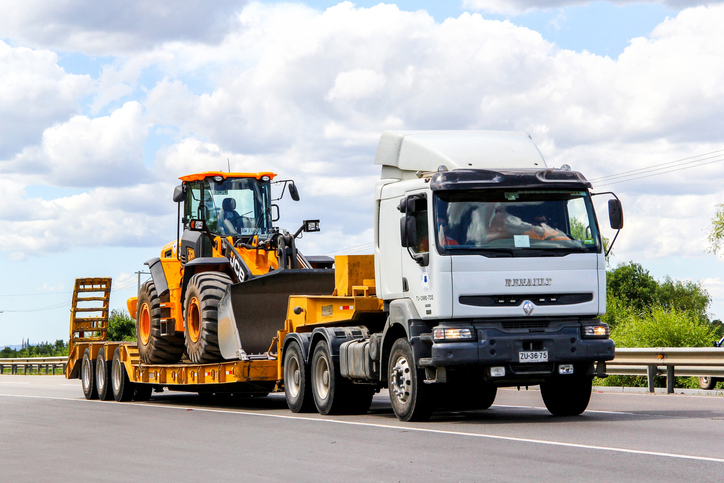
Transferring heavy machinery is never a straightforward logistics operation. Whether it’s loading, securing, or transporting, every aspect poses financial and operational risks that could quickly snowball if something goes amiss. Within the realm of heavy equipment transport, having the right insurance in place is no mere afterthought but a necessary safety net that shields your investment.
High End Transport recognizes that, when it comes to heavy equipment shipping, even the slightest damage can lead to significant losses. Insurance helps to create a safety net that ensures that unexpected events do not upset the flow of projects or the relationships that businesses have with their clients.
1. Protecting High-Value Assets During Transit
Heavy equipment is an expensive resource that costs hundreds of thousands to millions. In transportation, it is at high risk of being damaged by accidents, mishandling, and exposure to the environment. Insurance helps in creating a financial safety net in case the equipment gets damaged.
This provides protection to businesses to move their equipment without worrying about their balance sheets being exposed to unexpected costs of either repairing or replacing the equipment.
2. Coverage Against Accidents and Human Error
Even with skilled operators and drivers, things can still go wrong. Weather conditions, traffic, or just a human mistake in the loading or unloading process can cause expensive damage. Insurance helps protect against these unforeseen occurrences.
Risk can be transferred from the business to the insurer, allowing the business to focus more on the implementation of the project and less time worrying about the consequences of an error during the project’s transportation phase.
3. Financial Stability and Risk Management
Insurance is a very important part of a risk management plan as a whole. Without insurance, a single occurrence could strain cash flow, projects, or even threaten the viability of a business. This does not happen if a business has insurance.
This is especially the case when considering the contractors and the equipment that depend upon the stable operations and are unable to afford sudden and significant costs due to transport-related occurrences.
4. Adherence to Legal and Contractual Obligations
Many shipping contracts and regulations specify certain insurance requirements that must be met before equipment can be shipped. Failure to satisfy these requirements may cause disputes, fines, or breached contracts. Insurance helps satisfy shipping requirements.
By fulfilling these requirements, organizations can avoid procrastination and ensure professional integrity with their consumers, associates, and authorities.
5. Minimizing Downtime and Project Delays
If damaged during transport, equipment repair or replacement could bring a project to a standstill for weeks or even months. This is where insurance comes in to expedite the process of getting back to normal by covering repair or replacement costs.
This financial assistance reduces downtime, and projects are able to resume much faster, thereby lessening the effect of delays through the ripple effect.
6. Protecting Against Environmental and External Risks
Heavy machines can be moved long distances, and there can be different climatic and environmental challenges. Floods, storms, and even debris can lead to unexpected damage. This is covered by insurance.
With insurance coverage, companies are therefore shielded from circumstances that cannot be controlled by human will, thus preventing events from becoming catastrophic financial failures.
7. Building Trust with Clients and Partners
Insurance is also an example of professionalism and accountability. Clients and business partners will be more confident in those companies that put emphasis on risk protection and asset protection. This is an indication that their business is being handled with utmost care.
This can result in better relationships, repeat customers, and ultimately an edge over the competition in industries that place the greatest emphasis on trust and accountability.
8. Cost Efficiency in the Long Term
Although it requires premiums to be paid, it is often more cost-effective. This is because it is less to pay compared to what could happen if it is not insured. It converts unpredictable risk into planned risk.
Budgeting for insurance helps organizations avoid shocks in their finances and plan for long-term investments and projects with greater certainty and confidence.
Conclusion
Insurance plays an integral role in prudent machinery transportation. Insurance safeguards precious equipment, promotes financial stability, facilitates compliance, and enhances trust in the transportation chain. Insurance helps to mitigate risks that are both predictable and unpredictable, ensuring that the business transports the equipment without being vulnerable to devastating losses.
When it comes to an industry with high risks and low margins, insurance is necessary. The right insurance means that every step is taken with the safety and security that comes with insurance.
CTA
Call our trusted experts at High End Transport at 954-835-4687 to protect your equipment and your bottom line. We offer reliable transport solutions that keep your equipment moving safely and confidently.
FAQs
1. Why is insurance necessary when moving heavy machinery?
Insurance helps to protect the equipment against loss resulting from accidents or damage during transportation. If one does not have insurance, the equipment may need to be repaired or replaced, which can be costly.
2. In what areas does transport insurance usually cover heavy machinery?
Transportation insurance may include coverage for accidents, handling damages, weather-related claims, and third-party liabilities. This depends on the type of insurance.
3. In what ways does the use of insurance minimize delays in the transport of equipment?
By paying out quickly for repairs or replacement, insurance can therefore help prevent downtimes from occurring or being prolonged due to a lack of funds.